
In the fast-paced world we live in today, keeping up with the latest tech trends and updates is not just interesting—it’s essential. Technology is evolving at an unprecedented rate, shaping the way we communicate, work, and even think. Whether you’re a tech enthusiast, an entrepreneur, or someone who simply wants to stay informed, understanding these trends will give you a clear picture of the present and the future of technology.
In this article, we’ll break down the most important tech trends, explain their significance, and explore how they are transforming industries.
1. Artificial Intelligence (AI) and Machine Learning (ML)
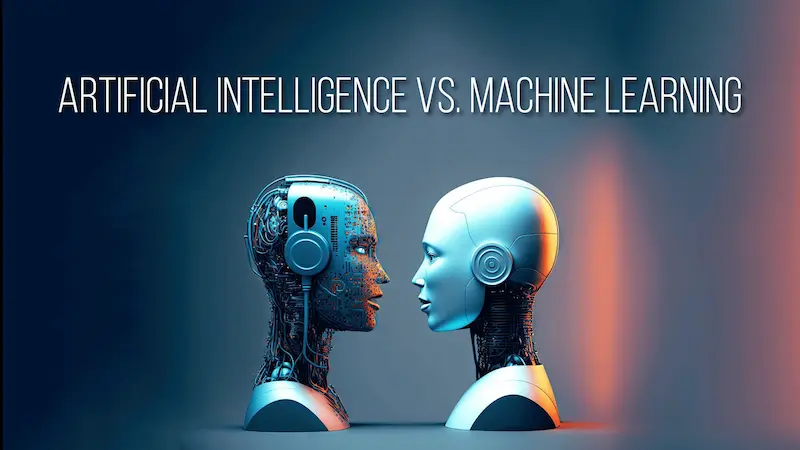
Artificial Intelligence is no longer a concept confined to sci-fi movies—it’s part of our daily lives. AI technologies like natural language processing, computer vision, and recommendation systems are being integrated into almost every sector.
- Business Applications: AI helps businesses automate routine tasks, analyze large datasets, and make smarter decisions. For instance, e-commerce platforms use AI to recommend products based on user behavior.
- Healthcare: AI-driven diagnostics can detect diseases like cancer earlier and more accurately than ever before.
- Personal Use: From smart assistants like Siri and Alexa to AI-powered content creation tools, AI is everywhere.
Machine learning, a subset of AI, allows systems to improve over time by learning from data. The constant updates in AI and ML technologies mean businesses and individuals must stay informed to remain competitive.
2. 5G Technology
5G isn’t just about faster internet speeds—it’s about enabling a new era of connectivity. With its ultra-low latency and high bandwidth, 5G is transforming industries and daily life.
- Autonomous Vehicles: 5G allows cars to communicate with each other in real time, improving road safety.
- Remote Healthcare: Surgeons can perform operations remotely with precision, thanks to near-instant data transmission.
- Smart Cities: Connected sensors in traffic systems, utilities, and public safety rely on 5G for real-time data exchange.
Keeping up with 5G updates ensures you understand how this technology is changing the way we live and interact with devices.
3. Extended Reality (AR and VR)
Extended reality, which includes Augmented Reality (AR) and Virtual Reality (VR), is redefining how we experience the digital world.
- Augmented Reality (AR): AR overlays digital elements onto the real world. Examples include Snapchat filters, IKEA’s furniture placement app, and AR navigation systems.
- Virtual Reality (VR): VR immerses users in a fully digital environment. Beyond gaming, VR is used in virtual training programs, real estate tours, and immersive learning experiences.
The AR and VR industries are growing rapidly, and staying updated with these innovations can open up new opportunities for learning, entertainment, and business applications.
4. Blockchain and Cryptocurrency
Blockchain technology is far more than just the backbone of cryptocurrencies like Bitcoin and Ethereum. It’s a decentralized system that provides transparency, security, and trust across industries.
- Finance: Cryptocurrencies and decentralized finance (DeFi) platforms are changing the way people trade, invest, and store value.
- Supply Chain Management: Blockchain ensures traceability of goods, making supply chains more efficient and transparent.
- Digital Identity: Blockchain-based identity systems provide secure authentication methods for online services.
Staying informed about blockchain and cryptocurrency updates allows individuals and businesses to leverage these technologies safely and effectively.
5. Cybersecurity Innovations

With the rise of digital technologies comes the increasing risk of cyber threats. Cybersecurity remains a top priority for individuals, businesses, and governments.
- AI in Security: AI can detect unusual patterns and potential threats faster than humans.
- Zero Trust Architecture: This security model assumes no user or device is automatically trusted, ensuring tighter access control.
- Data Privacy Regulations: Governments worldwide are implementing strict rules to protect personal data, like GDPR and CCPA.
Keeping up with cybersecurity trends and updates is crucial to safeguarding sensitive information and maintaining trust in digital systems.
6. Cloud Computing and Edge Computing
Cloud computing has transformed the way businesses store, access, and manage data. Services like SaaS (Software as a Service), PaaS (Platform as a Service), and IaaS (Infrastructure as a Service) provide flexibility and scalability.
Edge computing, on the other hand, processes data closer to where it’s generated—reducing latency and improving real-time decision-making. This is especially important for IoT devices, autonomous vehicles, and industrial automation.
Understanding updates in cloud and edge computing helps businesses optimize operations and leverage technological advancements efficiently.
You may also like to read this:
Essential PC Accessories For Better Performance And Comfort
Essential Monitor Setup Tips For Work, Study, And Gaming
Best Webcam For Streaming – Beginner To Professional Guide
Latest Tech News Today: Updates on AI & Gadgets
New Gadget Releases 2026: Smartphones, AI & Wearables
7. Sustainable and Green Technology
Technology is not just about speed and convenience—it’s also about sustainability. Green tech innovations focus on reducing environmental impact while promoting efficiency.
- Energy-Efficient Data Centers: Companies are building data centers that consume less energy and use renewable sources.
- Electric Vehicles (EVs): EVs reduce carbon emissions and are becoming mainstream as battery technology improves.
- Circular Economy Practices: Tech companies are recycling components and designing products with sustainability in mind.
Following updates in green technology helps both businesses and individuals make eco-conscious choices without compromising on technological growth.
8. Quantum Computing
Quantum computing is still emerging but holds the promise of solving problems that are impossible for classical computers.
- Pharmaceuticals: Quantum computing can simulate complex molecules, accelerating drug discovery.
- Financial Modeling: It can optimize trading strategies and risk management.
- Supply Chain Optimization: Quantum algorithms can solve logistics problems more efficiently than classical methods.
Staying informed about quantum computing trends helps you understand the next frontier of technology and its potential impact on industries worldwide.
Conclusion
Keeping up with tech trends and updates is crucial in a world where technology evolves at lightning speed. From AI and 5G to blockchain, AR/VR, and quantum computing, these innovations are reshaping industries, daily life, and the way we interact with the world. By staying informed and embracing these trends, you can stay ahead, make better decisions, and be prepared for the opportunities that the future holds.
Technology is not just changing the world—it’s transforming the way we experience life. Understanding these updates ensures you are not left behind in this digital revolution.
FAQs on Tech Trends and Updates
1. What are the top tech trends in 2025?
Key trends include AI and Machine Learning, 5G, AR/VR, blockchain, cybersecurity, cloud and edge computing, green tech, and quantum computing.
2. Why is staying updated with tech trends important?
It helps individuals and businesses adopt new technologies, improve efficiency, and stay competitive in a fast-changing world.
3. How is AI transforming industries?
AI powers personalized recommendations, automation, data analysis, and advanced diagnostics in healthcare, finance, and retail.
4. What’s the difference between AR and VR?
AR overlays digital elements on the real world, while VR immerses users fully in a virtual environment.
5. How does 5G impact daily life?
5G enables faster internet, low-latency connections, autonomous vehicles, smart cities, and real-time gaming.